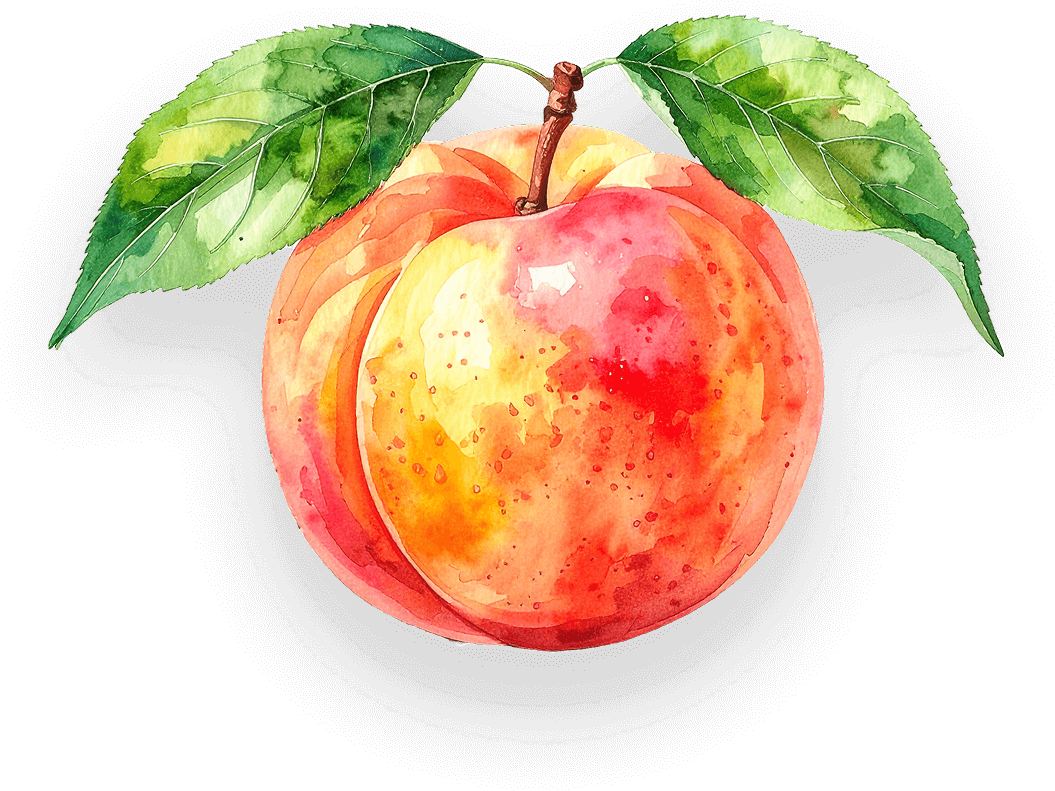


A coffee to fall peachfully in love with
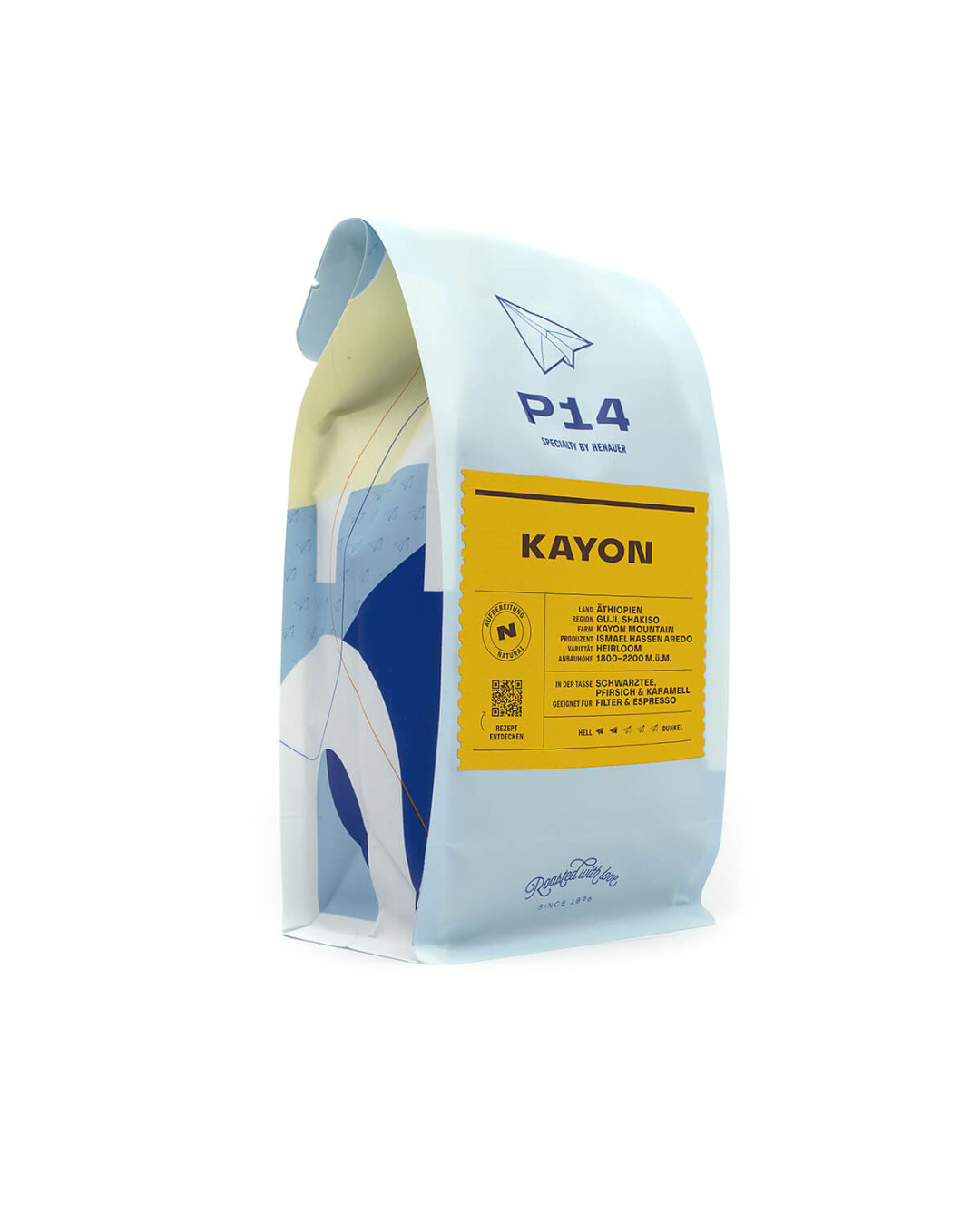
Country
Ethiopia
Region
Guji, Shakiso
Farm
Kayon Mountain
Producer
Ismael Hassen Aredo
Variety
Heirloom
Mounting height
1800–2200 M.a.s.l.
Preparation
Natural

Black tea, peach & caramel
Sweet with well-integrated acidity
Round, smooth mouthfeel.
Kayon boasts an expressive profile, combining sweetness, fruitiness and depth. It won a bronze medal in the Flat White Dairy category at the 2025 Global Coffee Awards. The jury described it as intense and complex, with a sweet aroma, clear peach notes, and a gentle, malty finish. It is a coffee that holds its own in milk and gives the drink structure.
We find Kayon to be an extremely versatile coffee that can be easily adapted to personal preferences and different brewing methods, whether as a filter coffee, espresso or latte.




Medium coarsley ground coffee: 15g
Water: 240ml
Temperature: 93°C
—
First pour: Let coffee bloom with 60ml of water for 35sec
Second pour: Fill up gently wetting the entire coffee bed until 240ml
—
Total extraction time: 2min 30sec
Fine ground coffee: 18g
Extraction volume for 2 espressi: 46g
—
Extraction time: 24sec
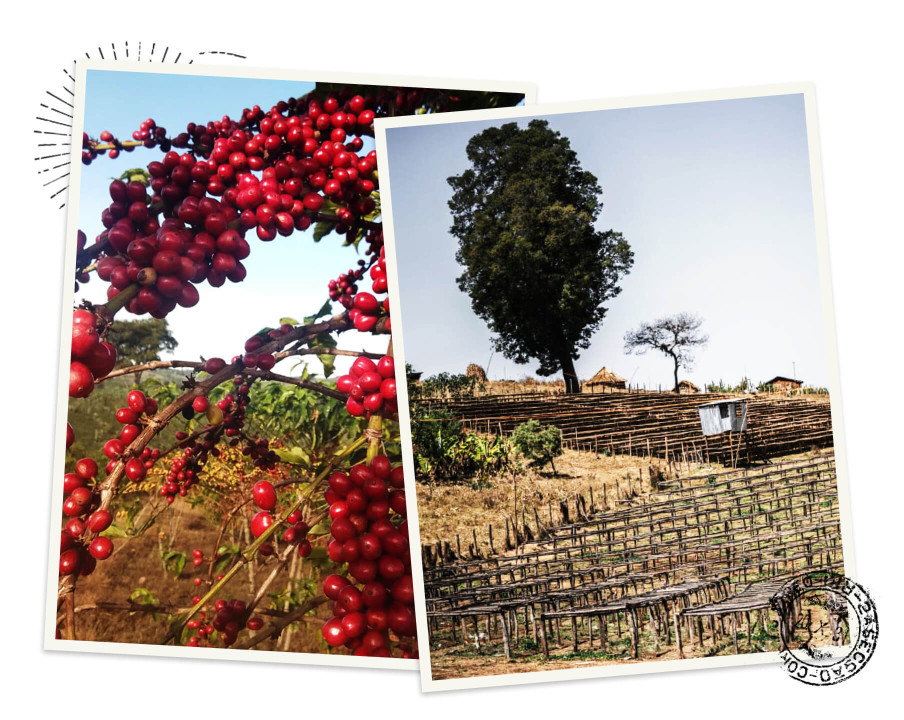
Guji is a forested region in southern Ethiopia, distinguished by its high altitude and nutrient-rich red soils. Smallholder farmers cultivate small coffee gardens at very high elevations and deliver their harvests to local washing stations. The result is coffees with clear notes of fruit, dark chocolate and delicate floral nuances.
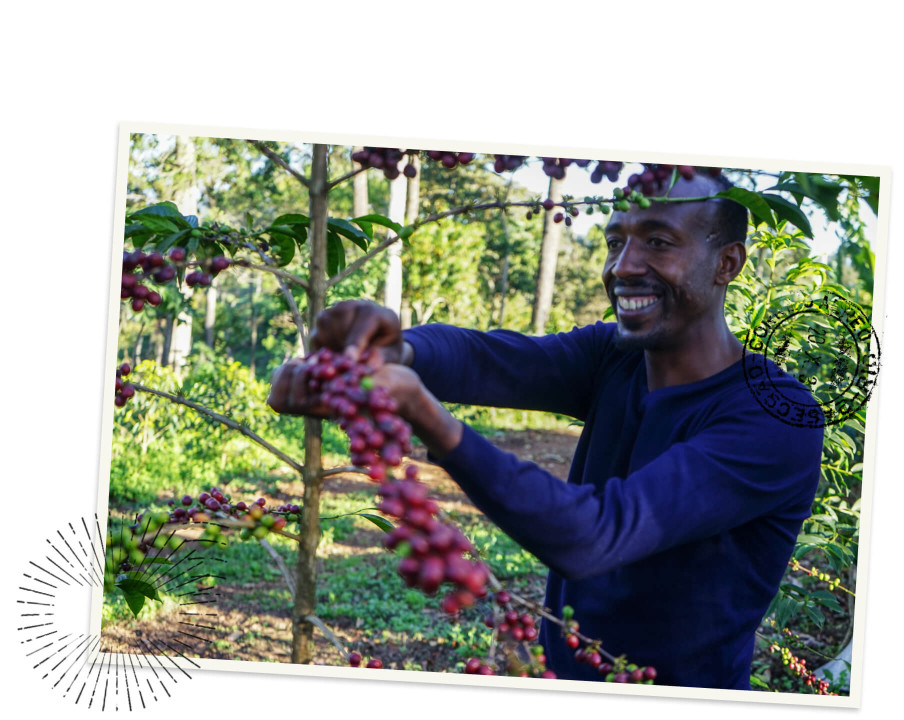
The Kayon Mountain Coffee Farm covers 500 hectares, around 300 of which are planted with coffee. Since 2012, it has been managed by Ismael Hassen Aredo and his family, who employ around 25 permanent and up to 300 seasonal workers. The farm invests in community projects, relies on shade trees and its own seedling nursery, and produces both washed and naturally processed coffees.
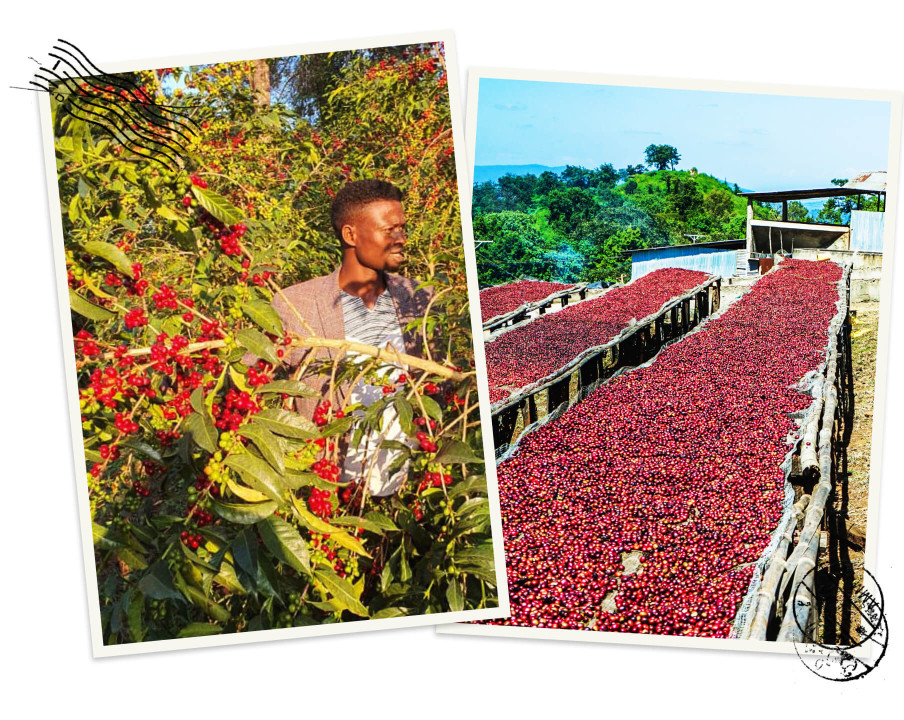
For natural processing, freshly harvested cherries are sorted and cleaned on the same day before being spread out on raised drying beds. There, they dry for between eight and twenty-five days, depending on the weather, and are turned regularly until they reach the ideal level of dryness for further processing.