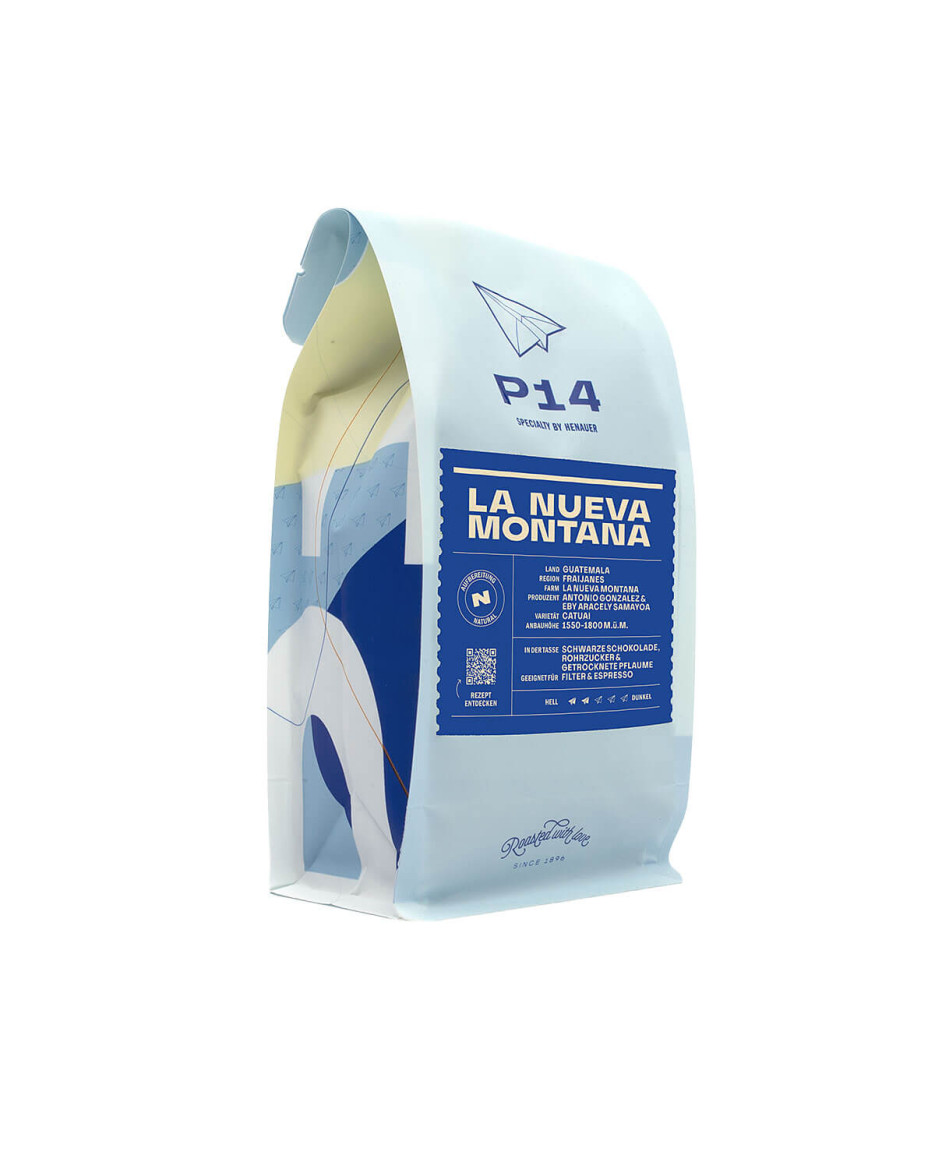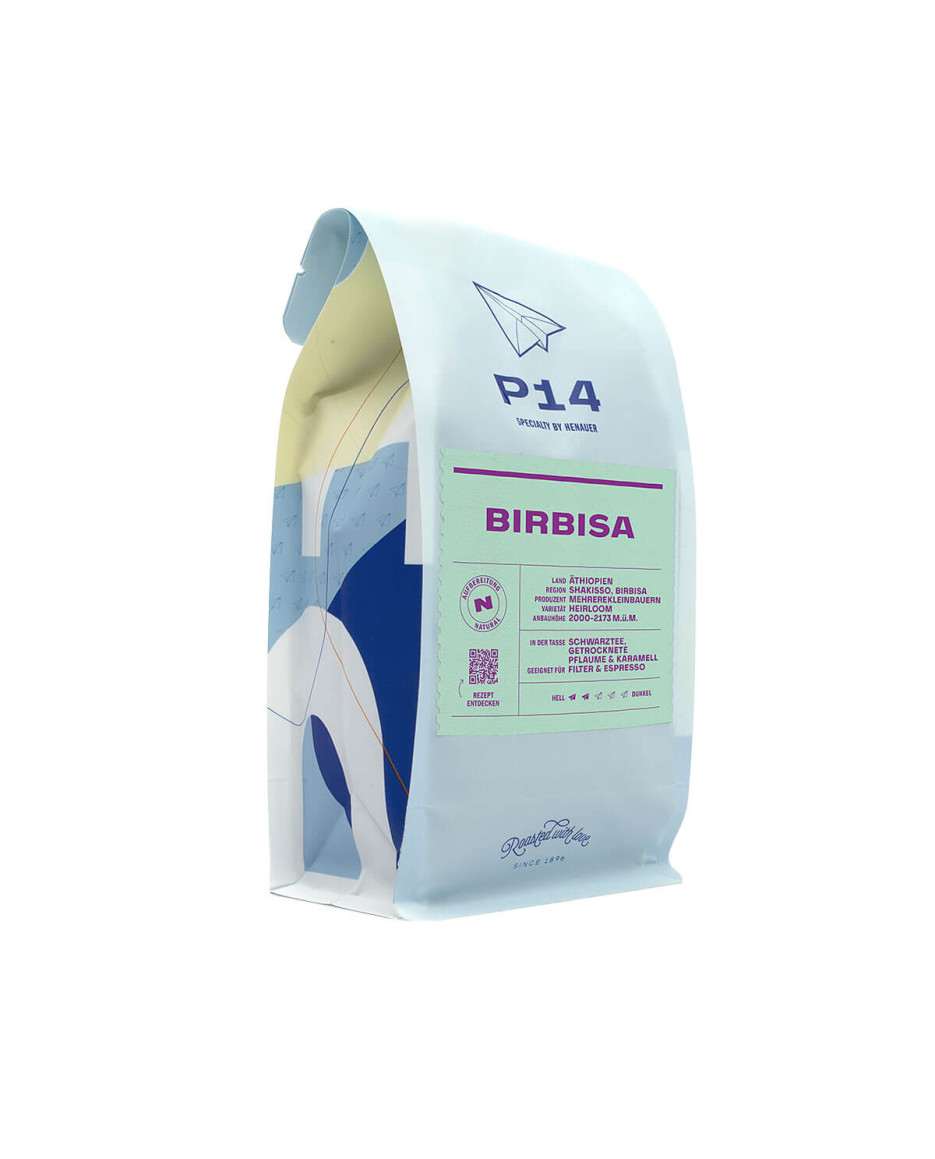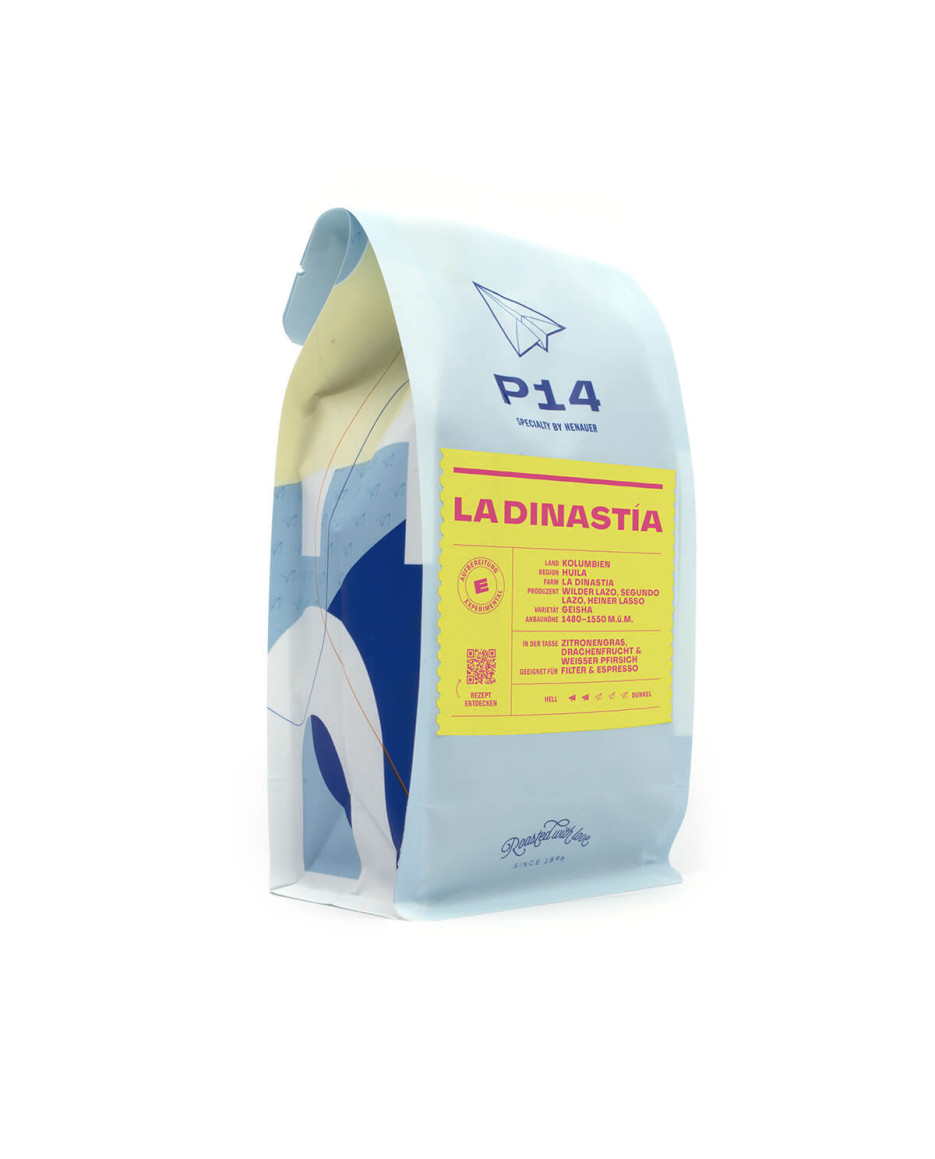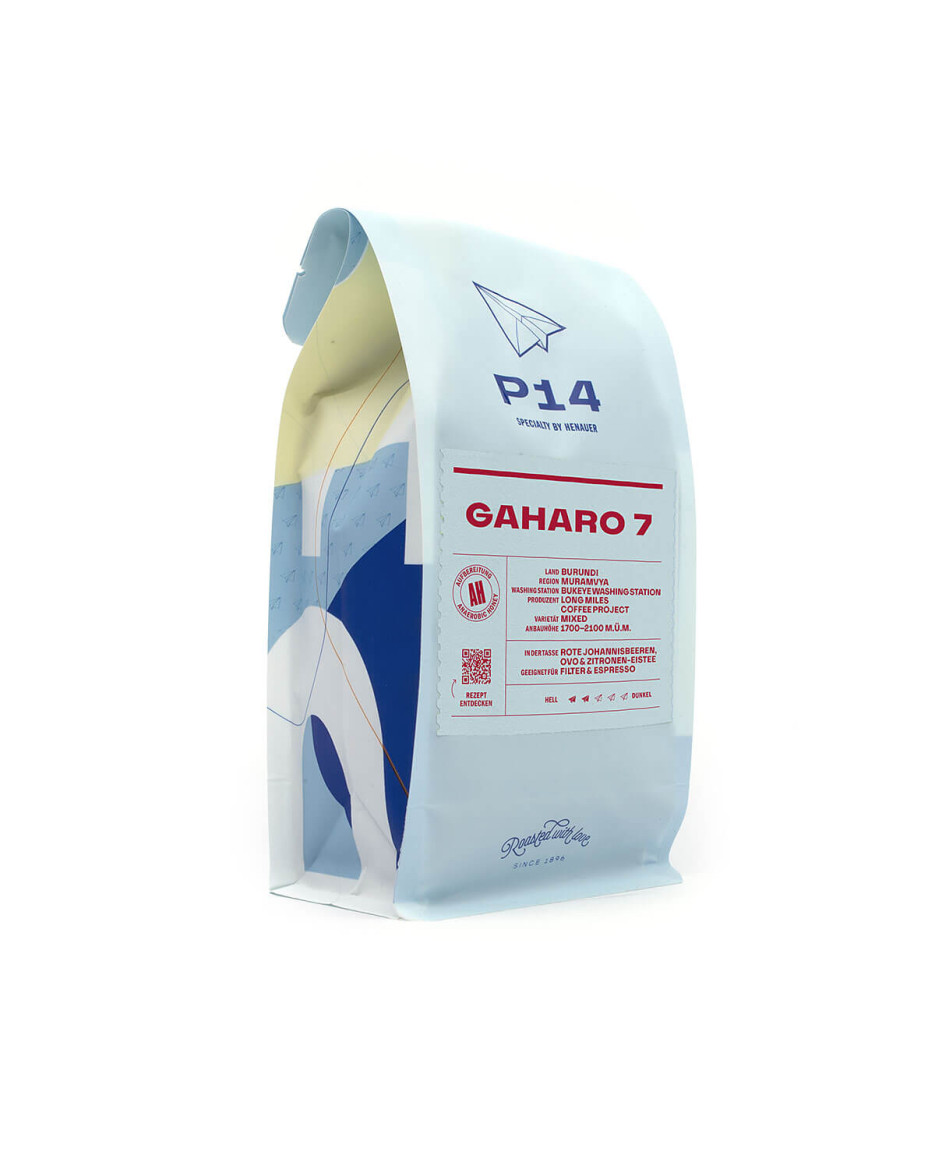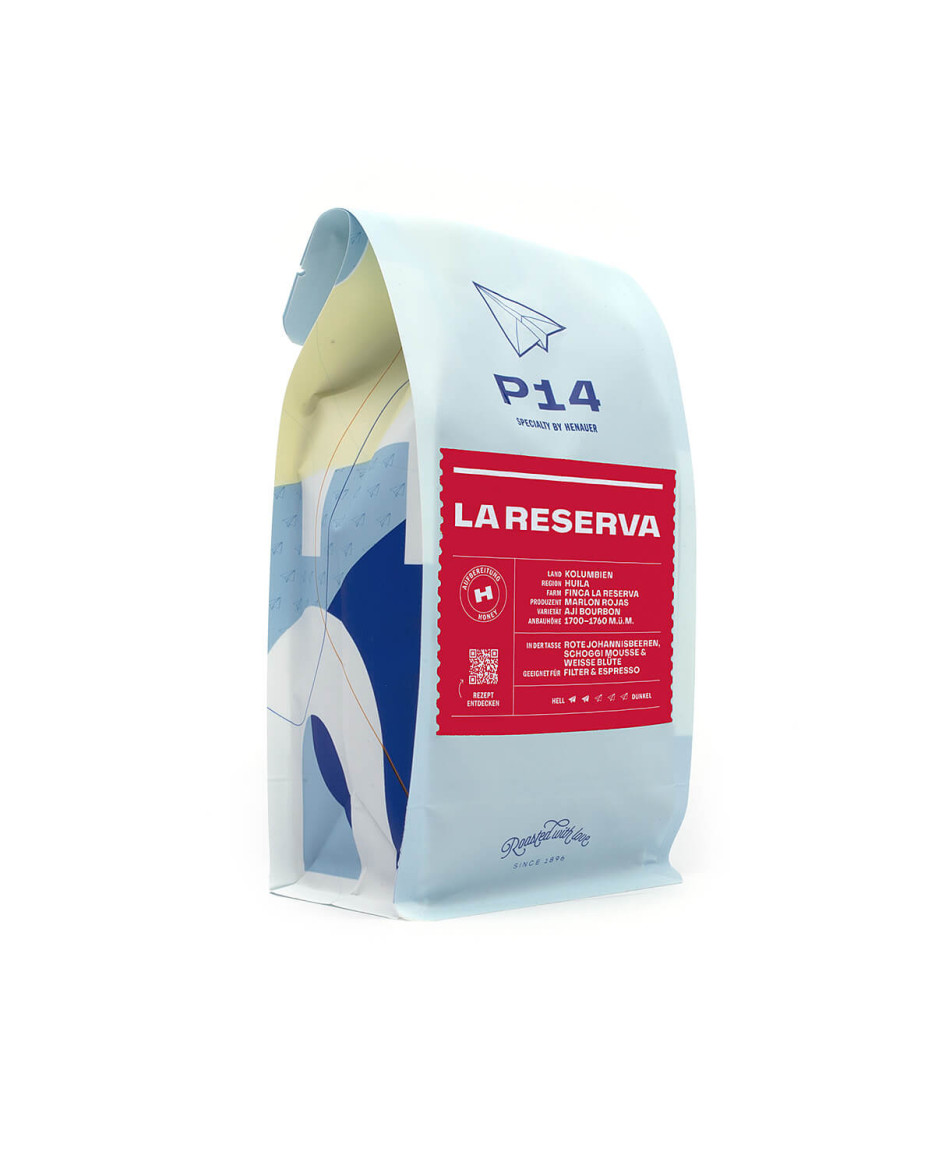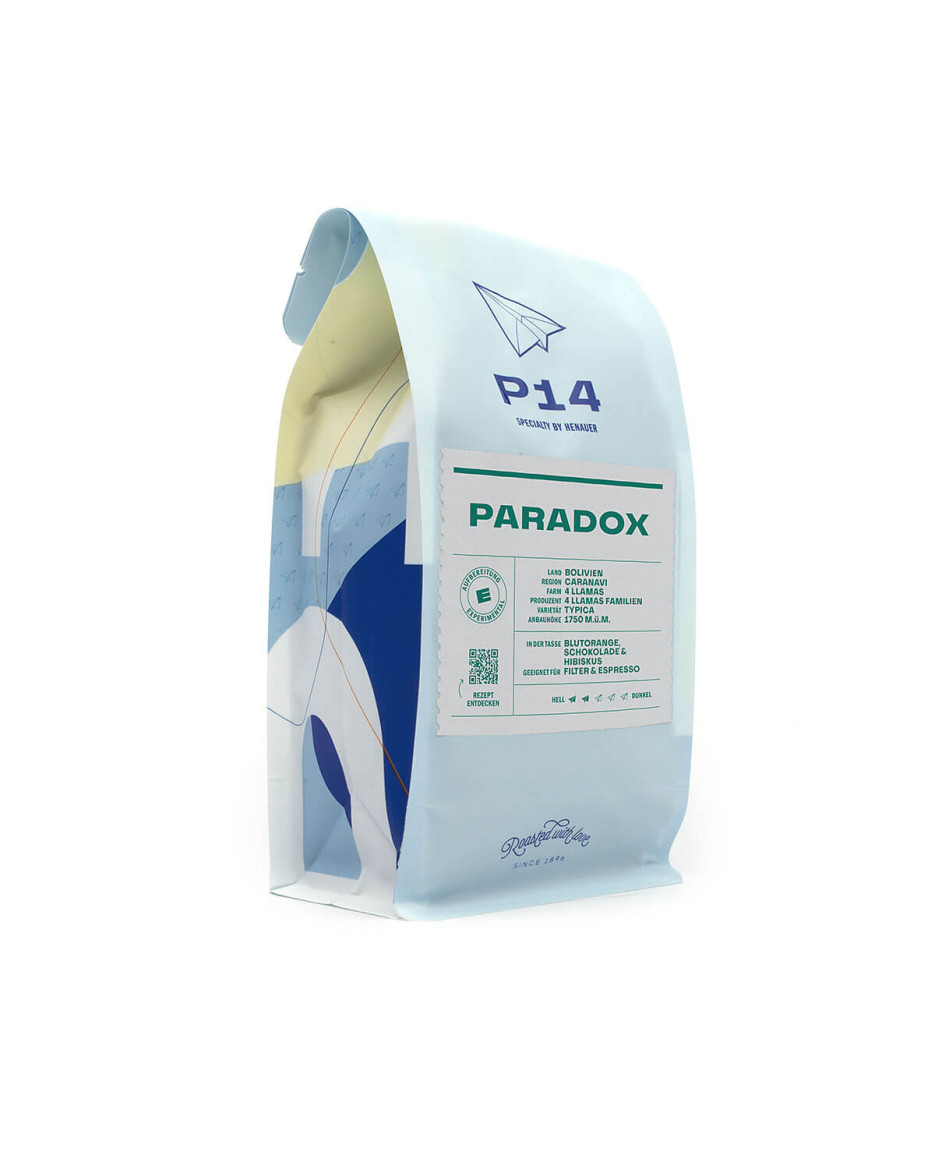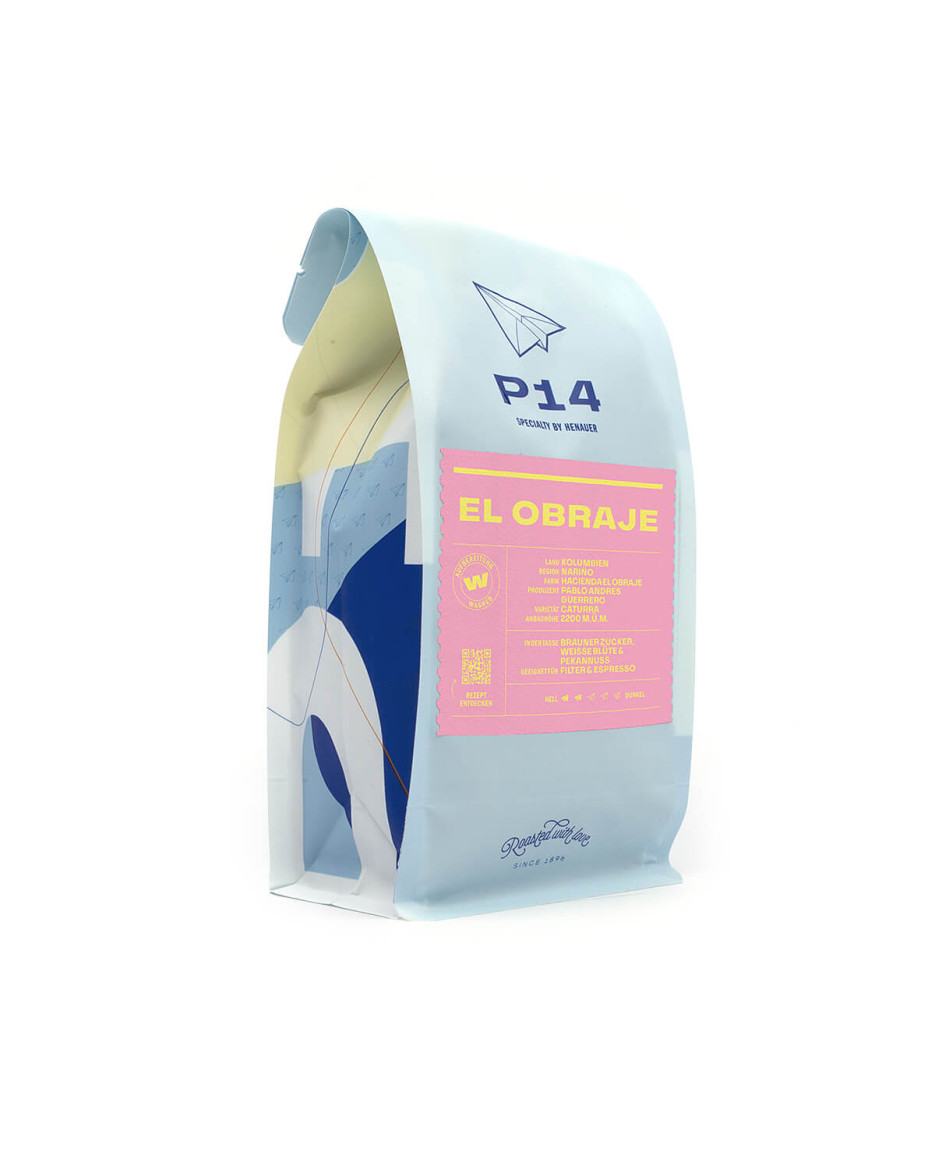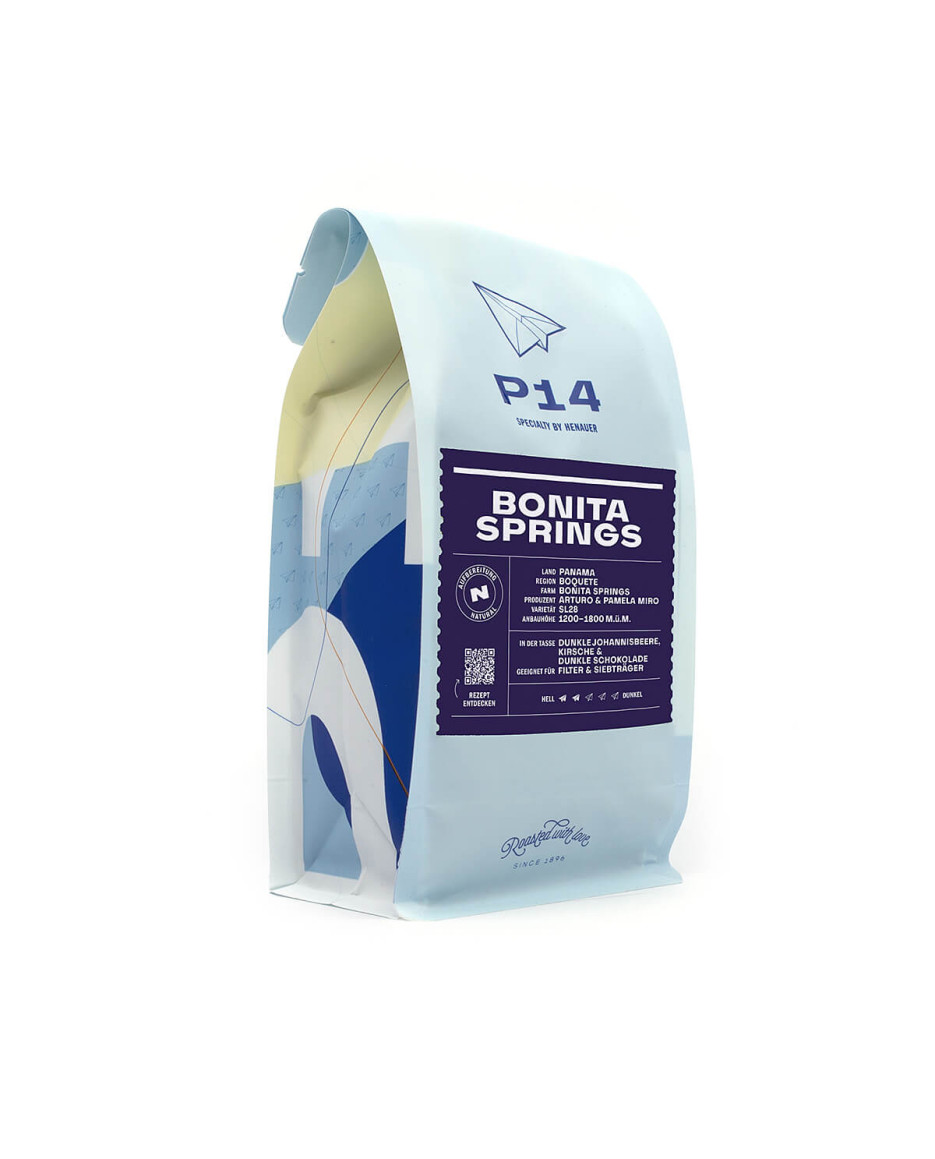

Twice red. Once different.
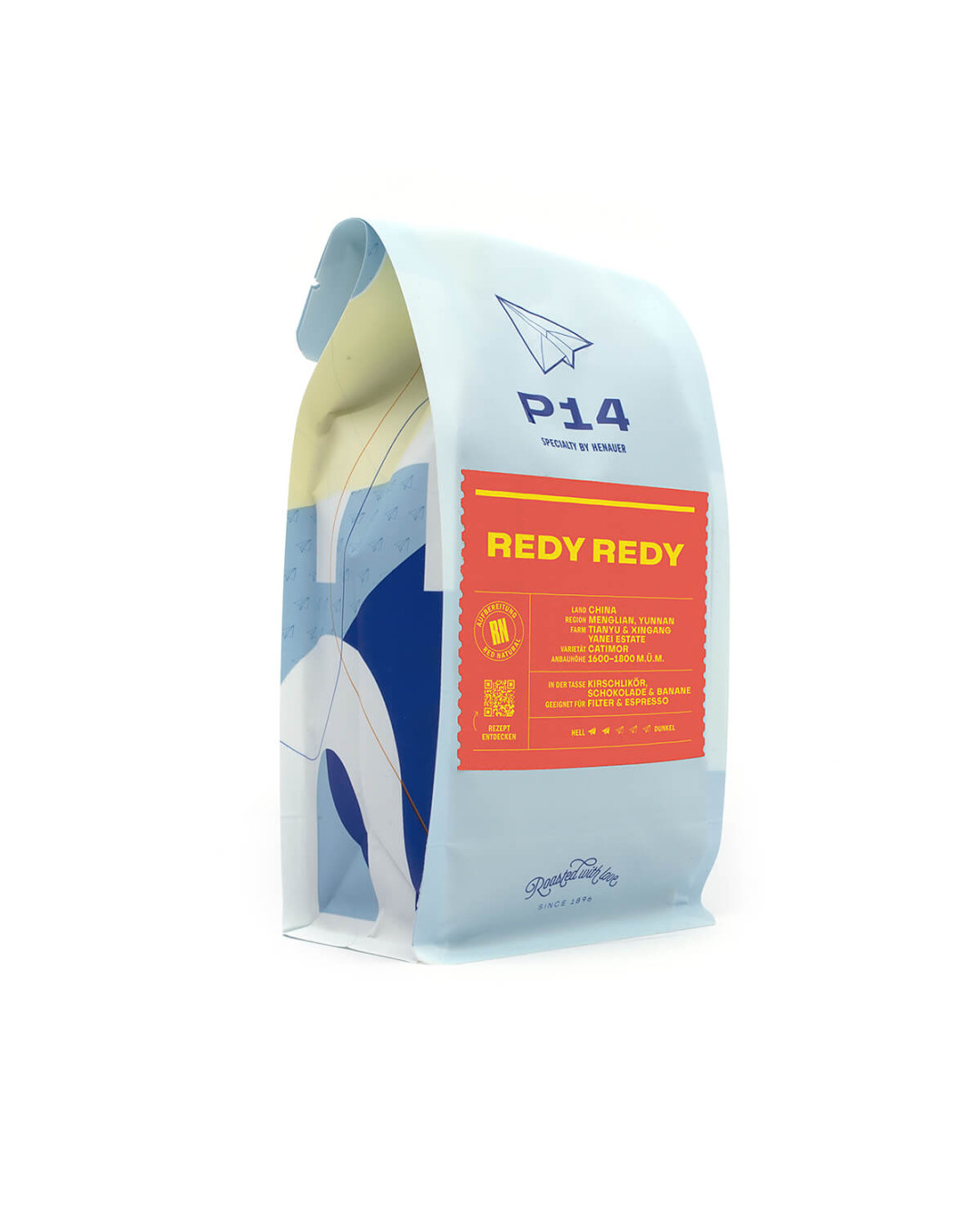

Country
China
Region
Menglian, Yunnan
Farm
Tianyu & Xingang Yanei Estate
Variety
Catimor
Mounting height
1600–1800 M.a.s.l.
Preparation
Red Natural

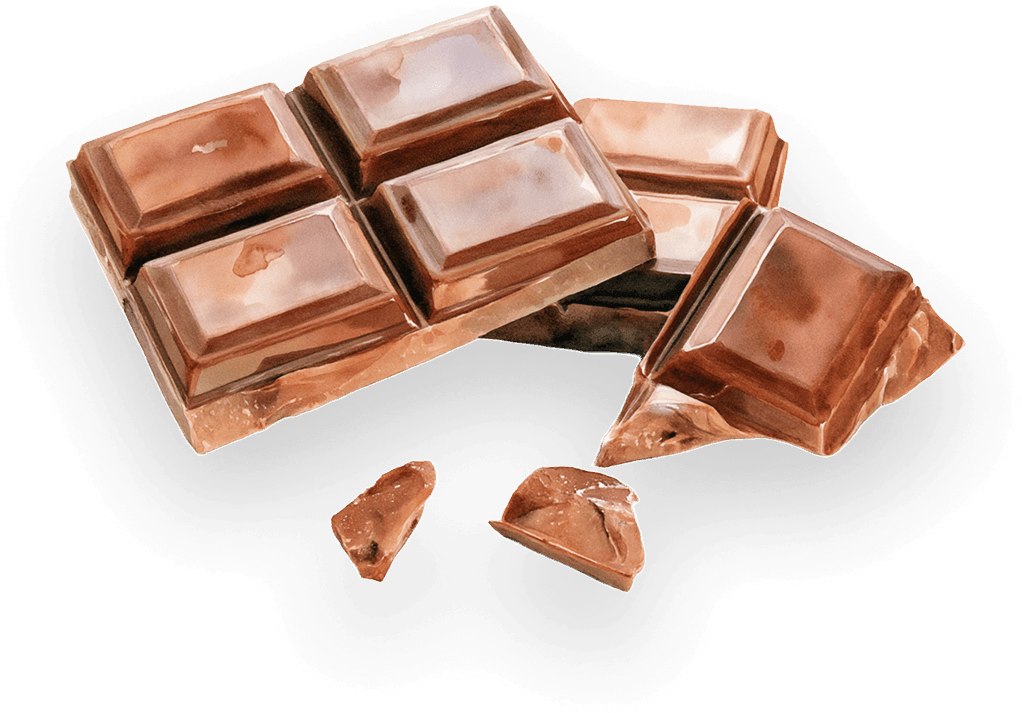
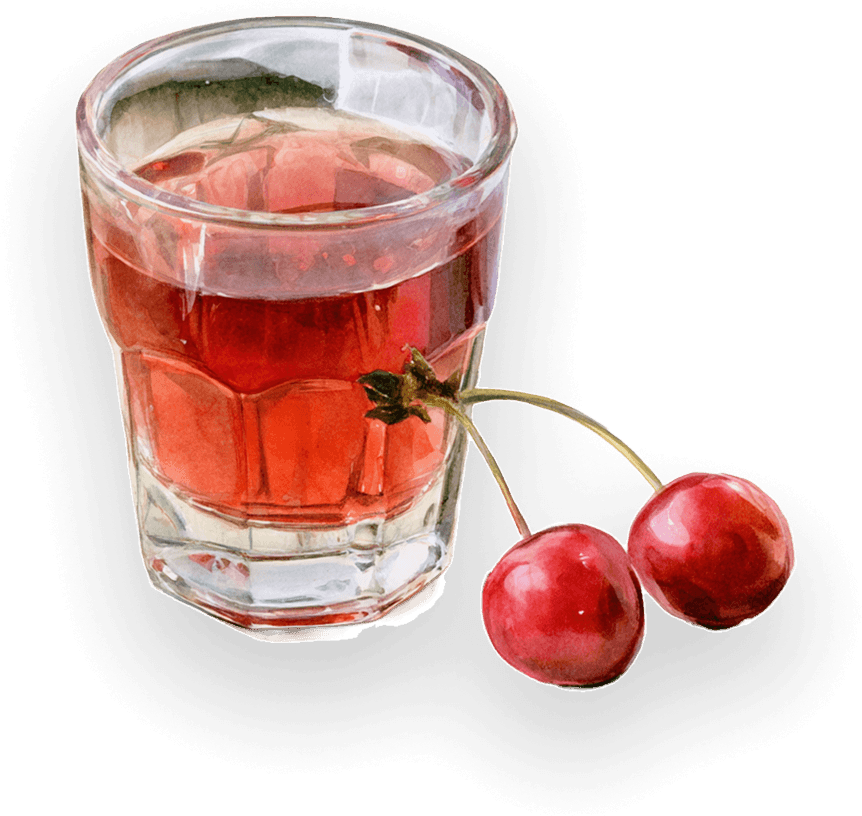
Cherry Liqueur, Chocolate & Banana
The coffee has a medium acidity that is very clean and pleasant. The body is medium, the mouthfeel round and syrupy.
Our first Chinese coffee in the P14 range – and what a one it is. China is gaining increasing significance in the coffee world, bringing more and more high-quality coffees to market. Our Redy Redy carries its name with intention: the processing method is inspired by red wine production and gives the coffee its character. As an espresso or a filter coffee in the morning, it simply brings a lot of joy to the cup: balanced, clean and pleasant.


Medium coarsley ground coffee: 15g
Water: 250ml
Temperature: 94°C
—
First pour: Let coffee bloom with 50ml of water for 35sec
Second pour: Fill up gently wetting the entire coffee bed until 250ml
—
Total extraction time: 2min 30sec
Fine ground coffee: 18g
Extraction volume for 2 espressi: 44g
—
Extraction time: 24sec
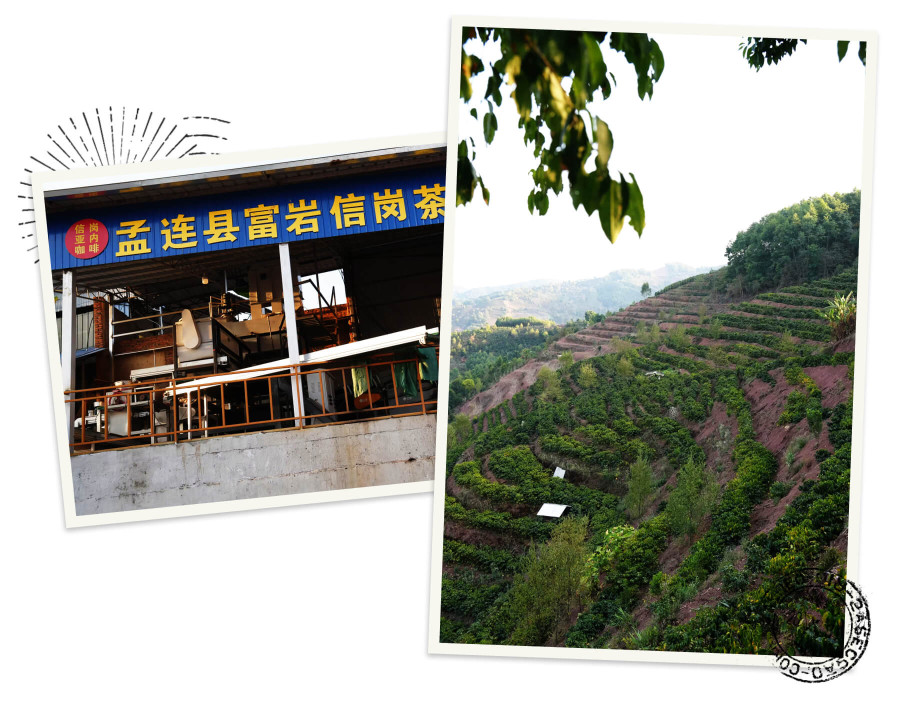
This coffee is a blend of two coffees from China's Yunnan province. Both Xingang Yanei Estate and Tianyu Estate are located in Menglian, set within the mountain landscapes of Yunnan, China's most significant coffee region.
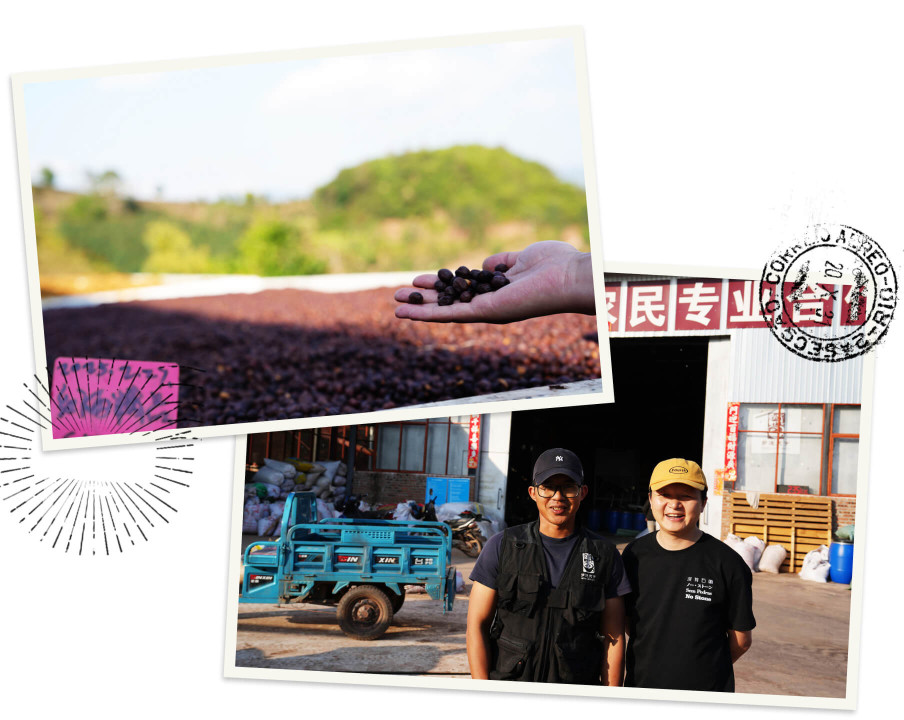
Xingang Yanei Estate is a family-run operation whose strength lies in the transfer of knowledge and craft across generations — practical expertise that does not disappear, but takes on new form. Tianyu Estate represents over a decade of patient development under the guidance of Pingjie, who approaches each harvest with curiosity and care, continually finding new ways to express the character of Menglian in the cup.
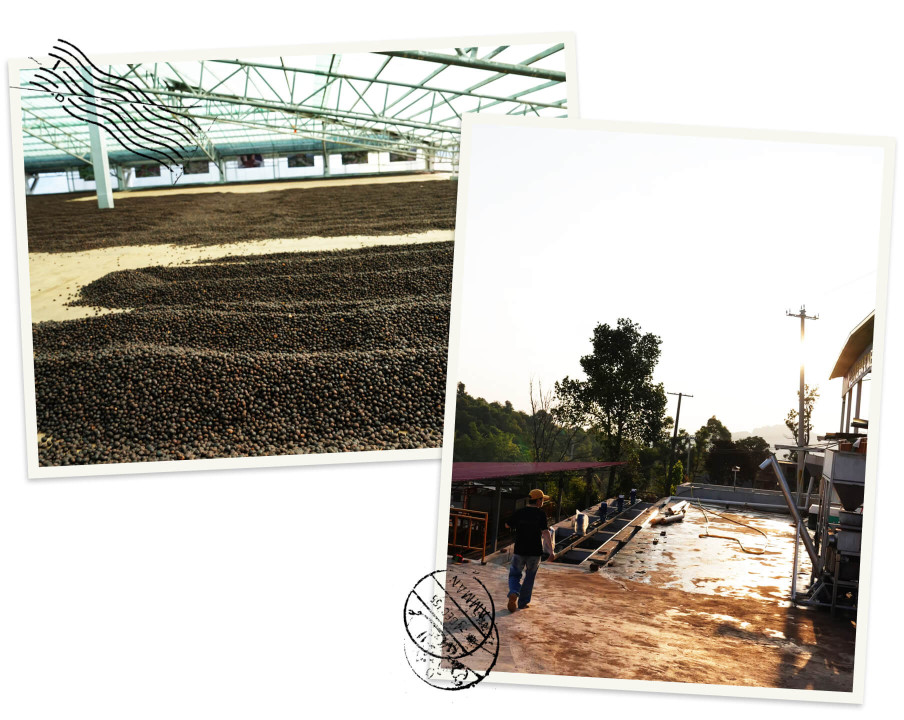
Both coffees have been processed using the Red Natural process, a fermentation-driven method inspired by the principles of red wine production. Only fully ripe, high-sugar cherries are selected and placed into tanks, where fermentation is carefully controlled at low temperatures of 15 to 20 degrees Celsius, often for 72 hours or longer. The cherries then dry slowly on African Beds with their skin and pulp intact, turned regularly until they reach a moisture content of approximately 12 per cent. Before hulling, the cherries rest for at least one month, allowing moisture and water activity within the bean to stabilise.